Where a mast lift makes sense
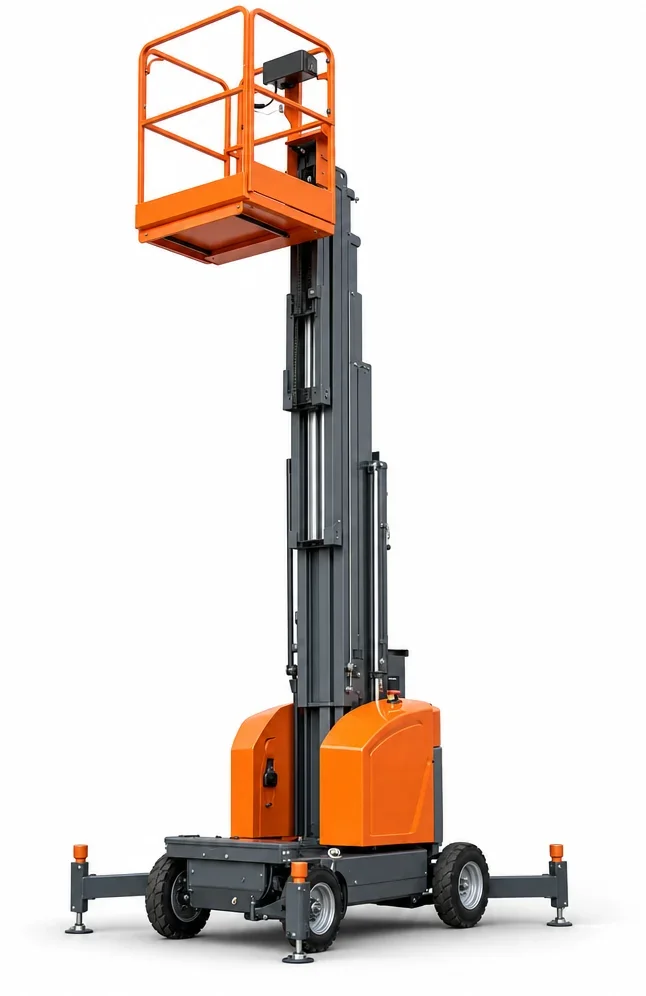
- Can the machine sit directly under the work? If yes, a mast lift offers quick vertical access with a small footprint.
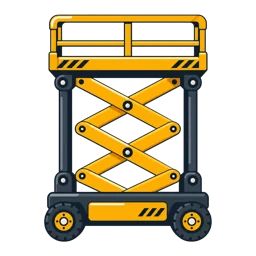
- Are doors, elevators, or mezzanine corridors on the approach? Collapsed height and overall width let mast units pass where scissor lifts stall.
- Is floor protection a concern? Non-marking tires and low wheel loads suit finished interiors.
Tampa-specific considerations
Frequent rain pushes some interior maintenance to off-hours loading through damp docks. Plan for short outdoor transitions on smooth surfaces; avoid soft shoulders where sandy edges break away. For recurring exterior tasks near coastal air, corrosion-resistant components help, but most mast work remains inside climate-controlled buildings.
Capacity, outreach, and tooling
Mast platforms favor light tools, lamps, and small parts. Some models provide limited outreach via small jibs; confirm the platform rating against the heaviest anticipated item. If two-person work or larger materials are common, compare /electric-scissor-lift-rental/ for more deck space.
Route and staging details
Measure the tightest choke point: elevator cab depth, door closers, and corner turns can be stricter than doorway width alone. Check threshold heights at vestibules and dock plates.
Related categories
- Need more platform area on slab? See /electric-scissor-lift-rental/.
- Exterior reach beyond vertical-only tasks? See /boom-lift-rental/.
Actual site conditions, the selected unit’s instructions, and facility procedures govern all elevated work.