Define the power or light footprint
- Power: List total running watts, highest start-up draw, and longest cord run. In large local distribution spaces, long feeder routes around racking add voltage drop considerations.
- Light: Mark the highest working edge and the width of the active area. Facade punch-list or night pours near the waterfront call for higher elevation and tighter aiming to cut spill.
Placement and access in Tampa conditions
- Surface: Sandy or saturated subgrade around industrial sites can rut under wheel loads. A compacted pad or mats may be required to maintain mast plumb and preserve cable routes.
- Salt air: Coastal humidity accelerates corrosion on fittings, connectors, and mast hardware. Equipment rated for marine-adjacent use and regular inspection intervals helps maintain output over longer rentals.
- Weather window: Frequent showers interrupt open-ground work. Look for enclosures, weather-resistant outlets, and fuel plans that allow quick restarts after rain.
Generator sizing checkpoints
- Load profile: Note continuous vs. intermittent tools, battery chargers for lifts, and any HVAC temp control for storage rooms on site.
- Distance to panel or loads: Longer runs increase conductor size and affect output selection.
- Noise sensitivity: Mixed-use redevelopment areas may require lower-noise packages and directional placement away from occupied edges.
Light tower selection cues
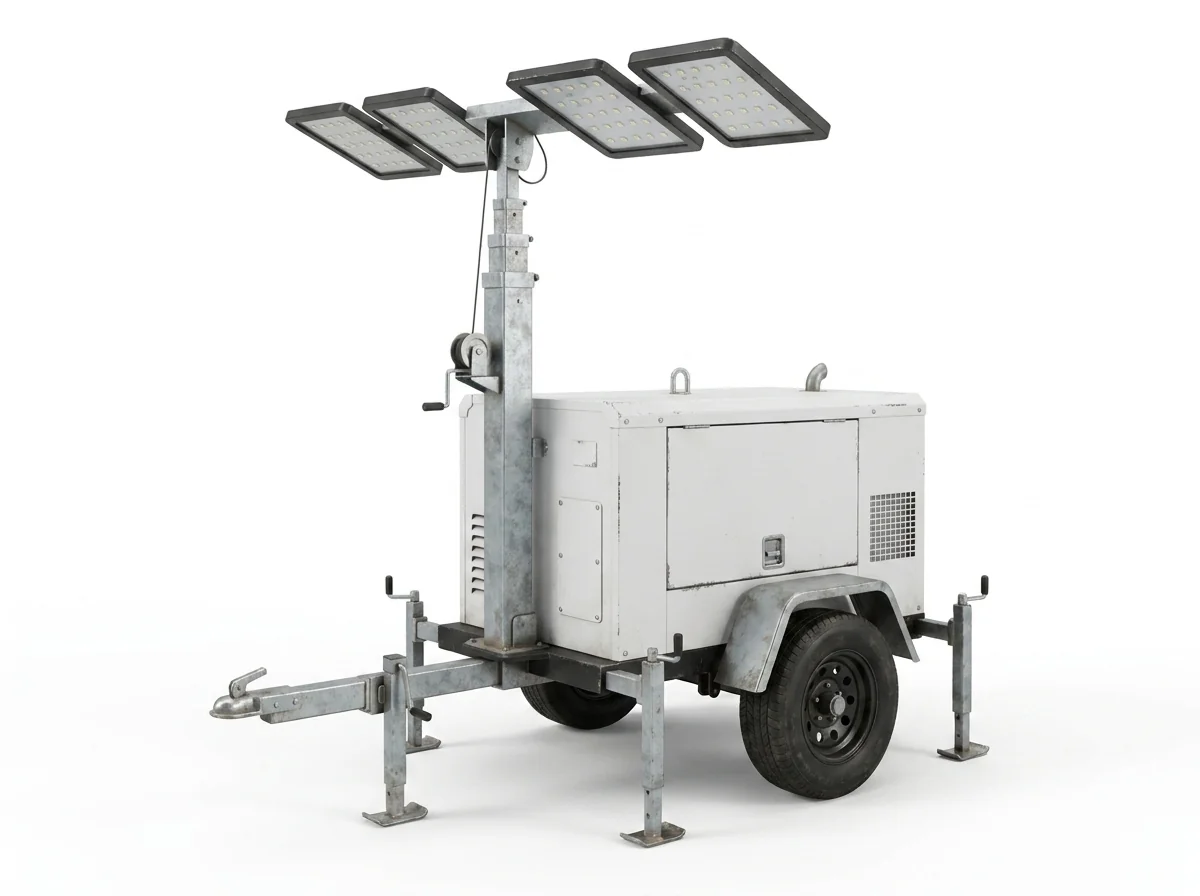
- Mounting height vs. setback: Can the tower sit below the task and still clear obstructions, or does it need to be closer and aimed steeper?
- Terrain: On uneven or sandy lots, look at outriggers and leveling range. Where space is tight around active logistics lanes, compact footprints reduce conflicts.
- Illumination quality: High-contrast tasks like steel work or facade inspection need uniform light with minimized glare for operators on lifts.
Integration with aerial work
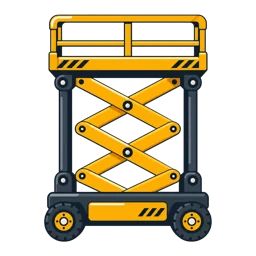
When scissor lifts or booms are active after hours, confirm charging or fueling access and aisle widths so light towers and generators don’t pinch turning radii. Related categories: /electric-scissor-lift-rental/, /rough-terrain-scissor-lift-rental/, and /boom-lift-rental/.
Delivery path and siting notes
Measure gate widths, curb heights, and the tightest turn between staging and the pad location. In dense mixed-use cores, coordinate tower mast raise/lower cycles with street-access time windows.