Start with load and aisle geometry
- Pallet size, weight, and stack height define mast class and carriage needs.
- The narrowest aisle and smallest turn set the truck’s chassis length and counterbalance style.
- Doorway height and dock levelers determine mast collapsed height and clearance.
Surface and environment
- Smooth interior slab: Electric counterbalance or narrow-aisle units protect indoor air and floors. Non-marking tires reduce track marks on polished concrete.
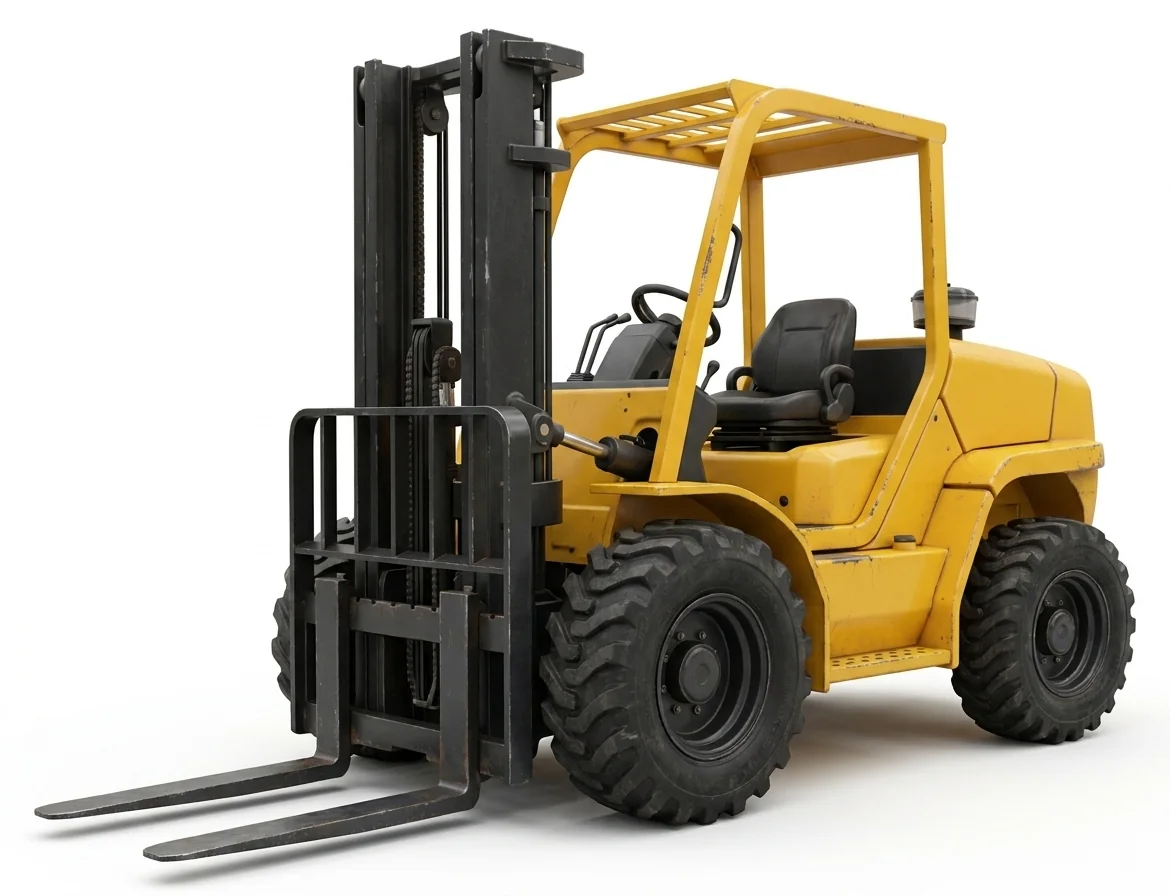
- Mixed indoor/outdoor: Pneumatic-tire forklifts handle expansion joints, ramps, and brief yard travel; consider corrosion-resistant features for recurring outdoor exposure.
- Yard work on sandy or compacted fill: Larger pneumatic tires improve ride and traction, but actual suitability depends on site conditions after rain.
Power source tradeoffs
Electrics fit high-turn interiors and reduce emissions around food or finished goods. Internal combustion trucks suit continuous outdoor shifts and heavier yard loads. Battery change or fuel access along the route can govern uptime more than rated capacity.
Access route constraints
Measure the tightest doorway, ramp grade, and any pinch points near staging. If materials must reach elevated work later, coordinate with /telehandler-rental/ or /aerial-lift-rental/ to keep aisles clear.
Related categories
- Elevated installs after picking? See /articulating-boom-lift-rental/ and /telescopic-boom-lift-rental/.
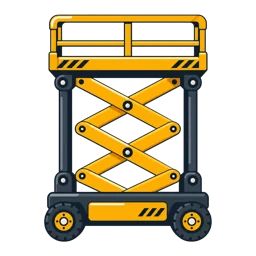
- Need platform access on slab? See /electric-scissor-lift-rental/.
Actual site conditions, the selected unit’s instructions, and site procedures govern all material handling.